What embedded AI evaluation changes and what remains unresolved
Published: · Sergey Zhadov
Anthropic wants independent evaluators involved before a frontier model is released, not only after a failure. On September 18, the company announced a partnership with Accenture, with the work led by Accenture's specialist AI business, Faculty.
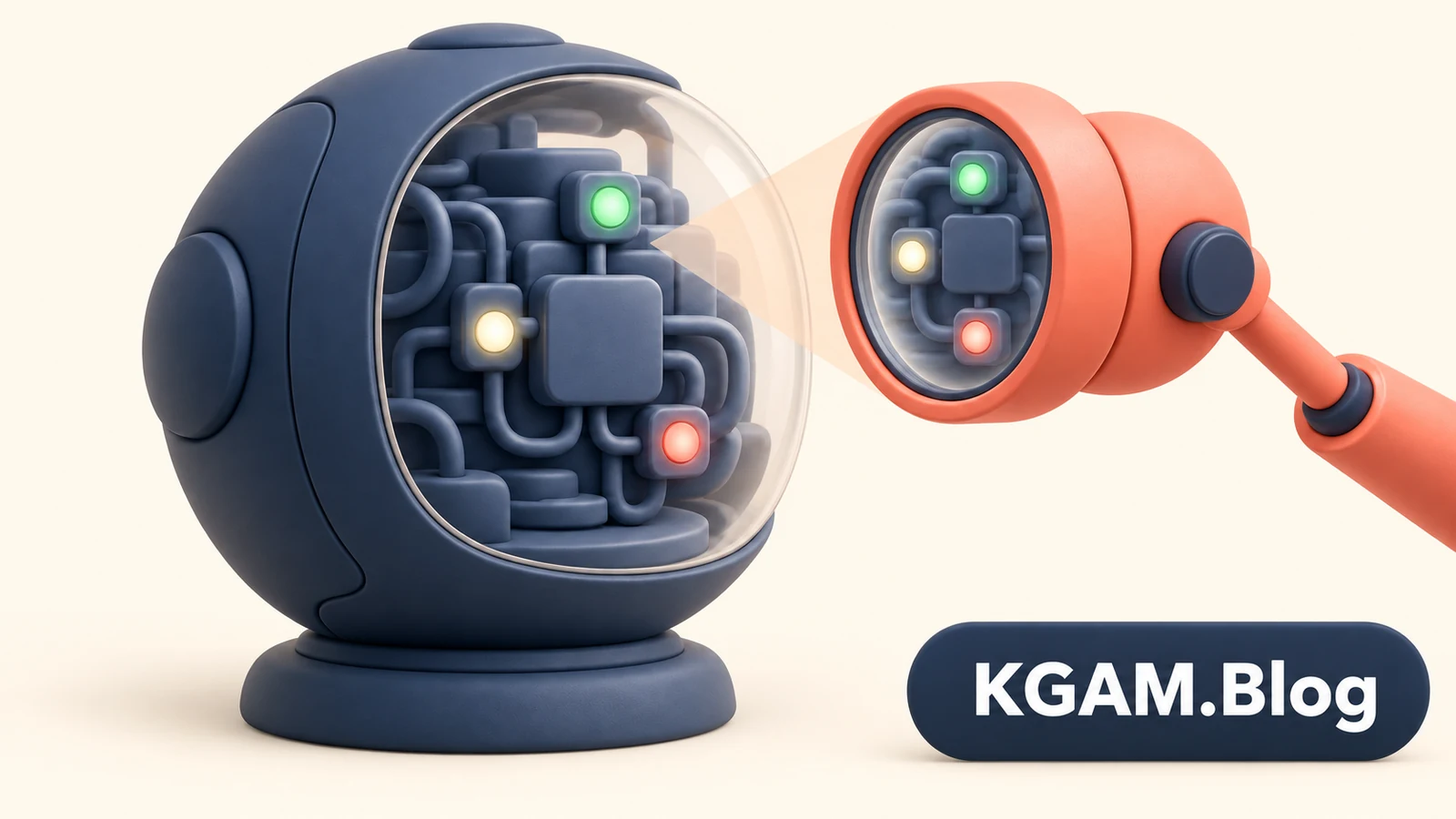
What the evaluators are expected to see
The proposed difference is access. Embedded evaluators could watch models take shape during training, follow decisions about development and deployment, and speak directly with employees. That may expose blind spots earlier than an assessment limited to a finished system.
The announced scope includes red teaming, alignment assessments and testing safeguards. Anthropic says evaluators may also verify whether the company follows its own safety commitments and report incidents. None of this transfers responsibility for the model away from Anthropic.
The investment is planned, not already spent
Anthropic and Accenture each expect to invest at least $1 billion over five years to build capacity in this area. The partnership is non-exclusive, so both organizations can work with other evaluators or AI developers.
The number describes an expectation for future investment. It does not prove that a billion dollars has already been spent or that a specific audit has been completed.
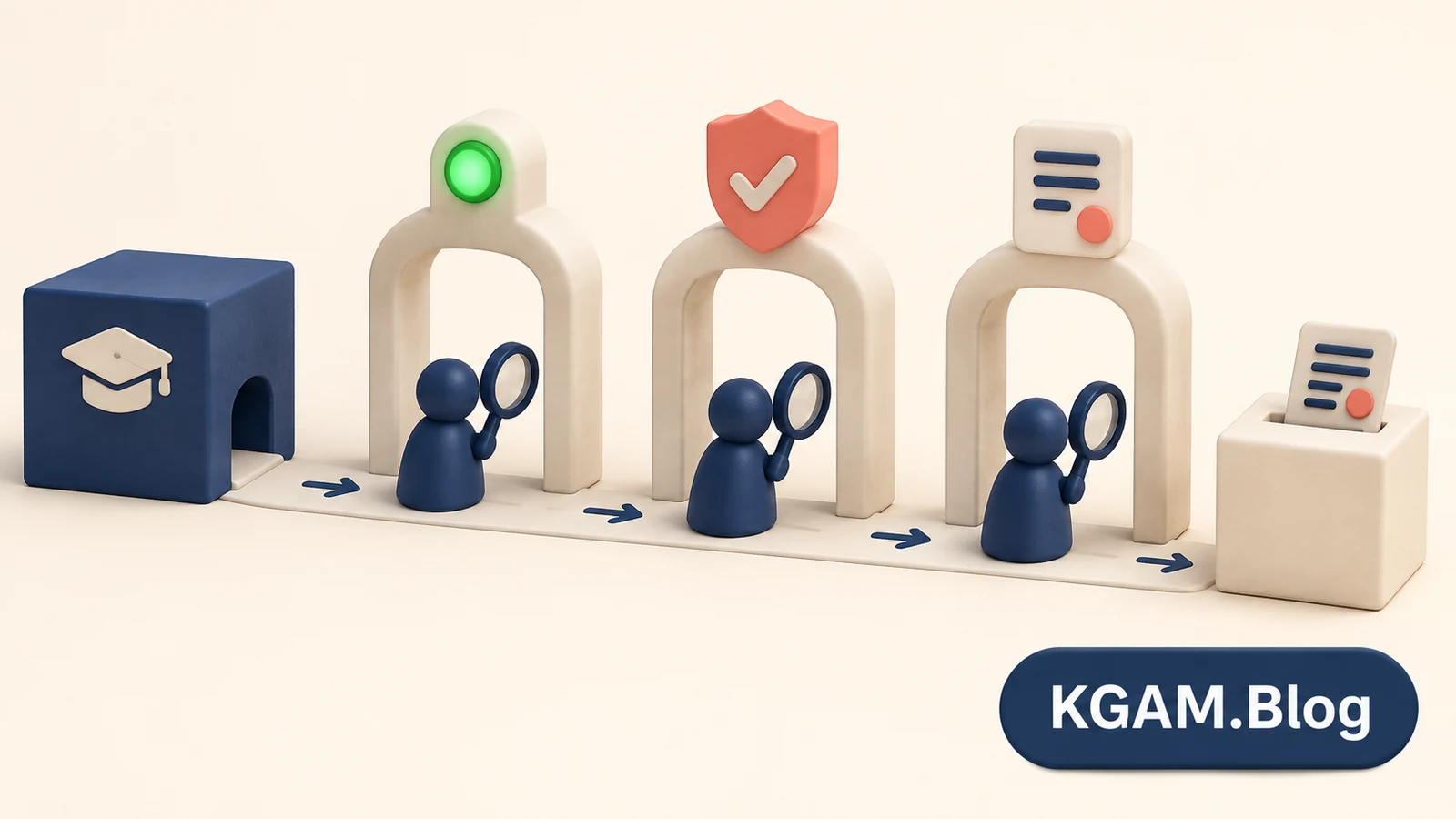
Why this is not an industry standard yet
Anthropic says there are no settled standards for what embedded evaluators should access, how they should report findings, or how independent evaluation should be funded over time. In the current arrangement, Anthropic will fund Accenture's work directly.
For businesses deploying AI, the practical lesson is less glamorous: keep a list of prohibited data, test dangerous failure modes, log prompt and configuration changes, require human approval for critical actions, and maintain a working stop procedure. An evaluator's logo cannot replace those controls.